 Thu, Jul 30, 2026 6:28 PM
The rapid digital transformation that has created new opportunities for media companies and content creators is also exposing them to increasingly sophisticated cyber threats. From hacked accounts and identity theft to doxxing and website attacks, digital security has become a critical concern for the industry.
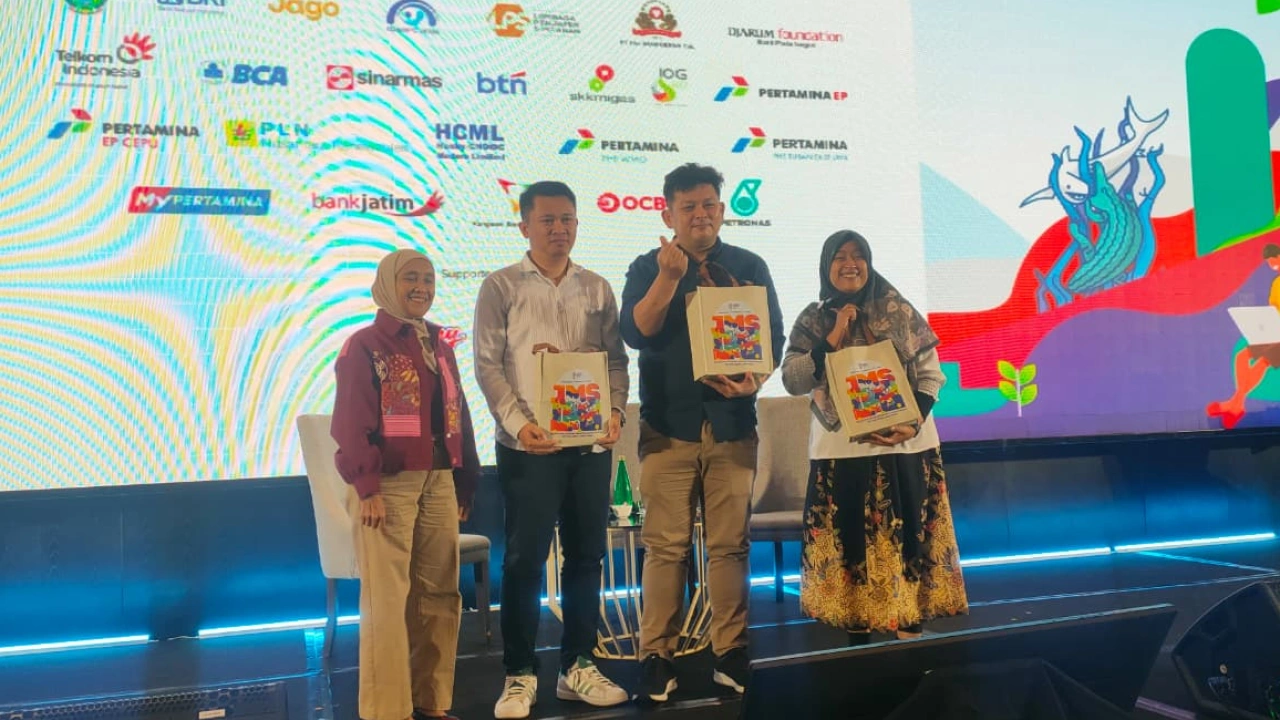
The issue took center stage during the Panel Discussion and Showcase at Jatim Media Summit (JMS) 2026 in Surabaya on Thursday (July 30), where industry practitioners and fact-checking experts stressed that weak cybersecurity could destroy reputations, businesses, and digital assets built over many years.
Rilplay Studio Surabaya Co-Founder Andi Said Tandio shared his experience growing a YouTube channel from just tens of thousands of subscribers to more than 14.5 million subscribers, saying that digital security has become one of the biggest challenges for content creators.
"As a creator grows, so do the security risks. Every content creator will eventually face digital security challenges," Andi said.
He explained that Rilplay Studio, which started with only two people, has expanded into a creative studio employing around 20 professionals, including scriptwriters, video editors, animators, voice actors, and social media managers from across East Java.
The studio is also preparing to launch a new hyperlocal YouTube channel featuring content entirely in the Surabayan Javanese dialect after market testing showed strong audience interest in local-language content.
Meanwhile, Artika Farmita, a fact-checking trainer, argued that many cyberattacks succeed not because of sophisticated hacking techniques but because users neglect basic digital hygiene.
"People take care of their physical health every day. Digital health should be treated the same way. Don't wait until you become famous before securing your accounts," she said.
According to Artika, today's threats extend far beyond hacking and malware. Doxxing, impersonation, trolling, and online harassment can severely damage both a person's reputation and mental well-being.
She encouraged media organizations and creators to adopt simple but essential security measures, including enabling two-factor authentication (2FA), using strong passwords, keeping software updated, installing antivirus protection, separating personal and professional accounts, and maintaining multiple backups of important data.
Artika also urged media organizations to involve IT teams early when covering sensitive issues to anticipate potential cyberattacks, mass reporting campaigns, or attempts to compromise their websites.
"Digital security is no longer optional—it's a necessity. The bigger your platform and influence, the greater the risks you need to prepare for," she concluded.
© 2026 SUARA.COM - ALL RIGHTS RESERVED.


