 Tue, Jun 9, 2026 9:14 PM
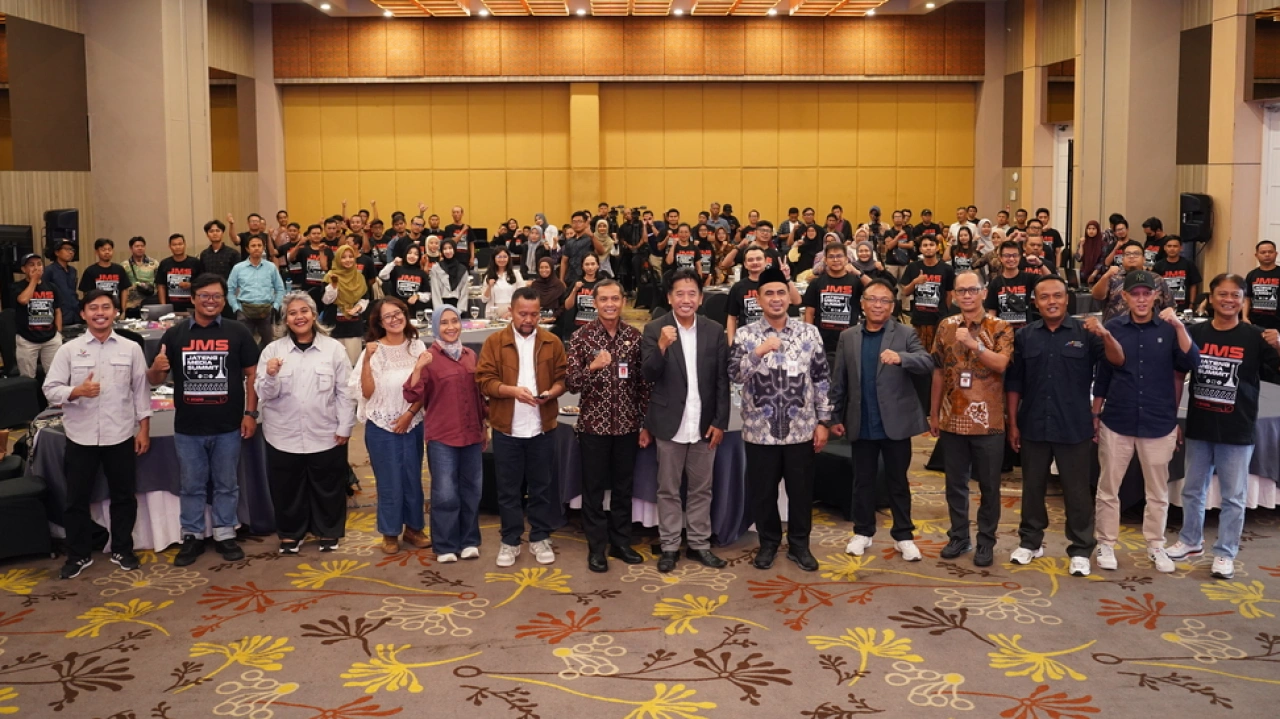
In a bustling meeting room in the city center, local media leaders from across Central Java gathered with similar concerns. That day, May 21, 2026, witnessed the regional media industry struggling to find new life amidst the relentless storm of digital disruption. The 2026 Central Java Media Summit was not merely a ceremonial event, but a space for honest reflection on how local media must survive, or slowly lose their relevance in the eyes of their readers.
Over the course of the day, conversations flowed freely, examining a chronic ailment that often plagues local media: an obsession with speed. Many newsrooms remain trapped in a grueling race to breaking news, trying to compete with national media giants with minimal infrastructure. In the frenzy, we seem to forget that local media's greatest strength lies in its closeness to the community.
When we force ourselves to be "small versions of national media," we lose our core essence. Readers don't need copy-and-paste generic news; they need in-depth narratives that touch the heart of their lives, solutions to real local issues, and constructive journalism that brings change.
In another corner of the discussion, the most sensitive yet pressing issue finally came to the surface: dependence on government advertising. The atmosphere turned more intimate when several media owners admitted that without regional budget funding, their editorial offices were in danger of freezing. This was a stark reminder that as long as local media still consider the government their primary source of revenue, editorial independence is merely an illusion.
This summit served as a reminder that the time has come to break this cycle of dependency. Diversification is key—from garnering support through membership models, offering data services for local communities, to producing creative content that is valuable to MSMEs. Without it, a media entity is little more than a public relations unit in disguise.
However, amidst these challenges, a glimmer of optimism emerged as technology was discussed as an ally, not an enemy. The fear of AI that had haunted newsrooms slowly melted away when we realized that this technology is not a replacement for journalists. Instead, AI is a powerful assistant ready to ease the administrative burden that has been consuming newsroom time.
Imagine journalists who now have more time to go into the field, digging for stories behind the data, simply because routine tasks like interview transcription or SEO optimization have been handled by artificial intelligence. Adopting technology is no longer an option, but an absolute requirement for efficiency in this fast-paced era.
The most monumental message that lingered from this summit was the realization that collaboration is not a sign of weakness, but rather a smart survival strategy. We no longer need to carry the burden alone. Collaborative models like Hub-and-Spoke open the door to local media synergizing, sharing resources, and syndicating to elevate environmental issues to a larger stage.
The Central Java Media Summit 2026 has now concluded, leaving behind important lessons that demand implementation. Now, the question is up to each of us: will we continue to be spectators in our own regions, or will we dare to step out of our comfort zones to improve ourselves? The road to sustainability is indeed steep, but with close collaboration and the courage to innovate, the future of local media is not a utopia, but an opportunity we can seize together.
Let's make every discussion at yesterday's summit a foundation for change. We at the Local Media Community are ready to support you in every step of your media transformation. Ultimately, strong local media is a pillar of democracy that will keep the pulse of our region alive.
© 2026 SUARA.COM - ALL RIGHTS RESERVED.


