 Thu, Jul 30, 2026 12:12 PM
Indonesia's Minister of Creative Economy, Teuku Riefky Harsya, said East Java has the strong foundations needed to become the country's leading hub for the creative economy. He pointed to the province's growing strengths across multiple subsectors, including fashion, culinary arts, crafts, gaming, film, music, and digital applications.
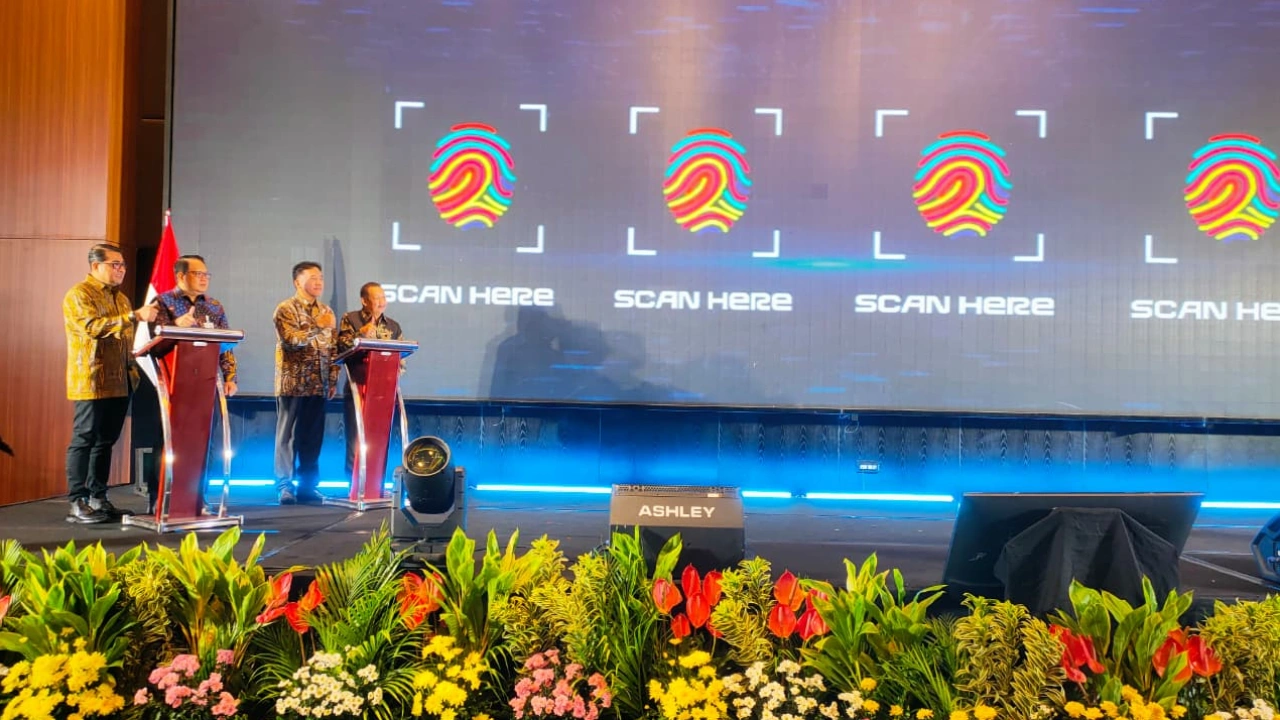
The remarks were delivered during the opening of Jatim Media Summit (JMS) 2026 in Surabaya on Thursday (July 30), alongside Suara.com Editor-in-Chief Suwarjono and Beritajatim.com CEO Dwi Eko Lokononto.
According to Teuku Riefky, East Java's vast potential must be supported through stronger collaboration between the central and regional governments, creative industry players, and the media to produce more locally developed brands capable of competing in global markets.
"East Java is already extraordinary. It has many local heroes and local brands that are not only successful nationally but are also expanding into regional and global markets," he said.
He argued that the greatest challenge facing Indonesia's creative economy is no longer producing creative works, but building an ecosystem that nurtures talent, strengthens data-driven research, protects intellectual property rights, and commercializes creative products so they generate sustainable economic value.
He added that registered intellectual property should be treated as an economic asset that enables creative businesses to secure financing from banks and investors, helping ensure long-term industry growth.
Amid the rapid development of artificial intelligence (AI), Teuku Riefky said the government is preparing national regulations to ensure AI serves as a tool that enhances creativity rather than replaces creators.
He revealed that the government is finalizing two Presidential Regulations: one on Indonesia's AI Roadmap and another on AI Ethics, both expected to be issued within the next one to two months.
"AI should not replace creators. It should add value to the creativity of Indonesians. The drafting process involves ministries, regional governments, industry stakeholders, and the media," he said.
Meanwhile, Suara.com Editor-in-Chief Suwarjono said the media industry is undergoing a fundamental transformation and can no longer rely solely on news publishing as its primary business model.
"Our business is no longer simply selling news. Media organizations must evolve into new ecosystems that integrate multiple platforms and multimedia creativity," he said.
He expressed optimism that media organizations in East Java have significant opportunities to become pioneers of digital media transformation through innovation and creative content.
Echoing that view, Beritajatim.com CEO Dwi Eko Lokononto said East Java has one of Indonesia's strongest creative economy ecosystems. The growing number of creative cities and regencies across the province demonstrates a solid foundation for continued development.
"We wanted the Minister to come here because East Java's media industry grows in fertile ground for creativity and collaboration. East Java is not only rich in creativity but also has an extraordinary spirit of togetherness," said Lokononto, who is widely known as Luki.
Jatim Media Summit 2026 brought together government representatives, media organizations, creative industry players, businesses, and communities to strengthen collaboration in navigating the digital era. Participants agreed that cross-sector partnerships will be essential for positioning East Java not only as Indonesia's creative hub but also as a producer of globally competitive creative products and intellectual property.
© 2026 SUARA.COM - ALL RIGHTS RESERVED.


